Translation Apps in Long-Distance Relationships

For couples separated by language and distance, translation apps promise instant understanding.
Love doesn't always speak the same language. Millions of couples in multilingual relationships now turn to translation apps for everything from daily texts to difficult conversations, and the trend is growing fast. Google Translate remains the go-to choice for its broad language support, but we're seeing something interesting: people aren't just using these apps for travel anymore. They're relying on them to build and maintain romantic relationships across language barriers. The question is whether that digital bridge brings couples closer together or quietly keeps them apart.
For a simpler setup, Bridgecall offers browser-based video call translation with translated voice and live subtitles.
The first 'I love you' through Google Translate
There's a specific kind of nervous energy that comes with typing those three words into a translation app. Your finger hovers over the send button. Does "te amo" carry the same weight as "I love you"? Does the algorithm understand that you mean this love, not some generic greeting card sentiment?
We're witnessing a shift in how couples communicate across language barriers. According to international dating experts, people are increasingly relying on translation apps not just for ordering coffee abroad, but for building genuine romantic connections. Google Translate has become a relationship tool, sitting alongside dating apps and video calling platforms in the modern love toolkit.
The app solves the immediate problem. It doesn't solve the deeper one.
This is what we call "the translation gap." It's both linguistic and emotional. When you type a vulnerable message into a translation engine, something gets lost. Humor flattens. Sarcasm disappears. That playful thing you said that would make your partner laugh? It arrives as a sterile, algorithm-approved phrase stripped of personality.
The tension is real. These apps create connection where none would otherwise exist. They also create dependency. Couples start relying on digital mediation for conversations that intimacy demands be direct. Every "I miss you" passes through a third party, a machine that doesn't know your inside jokes or the way your voice softens when you're being sincere.
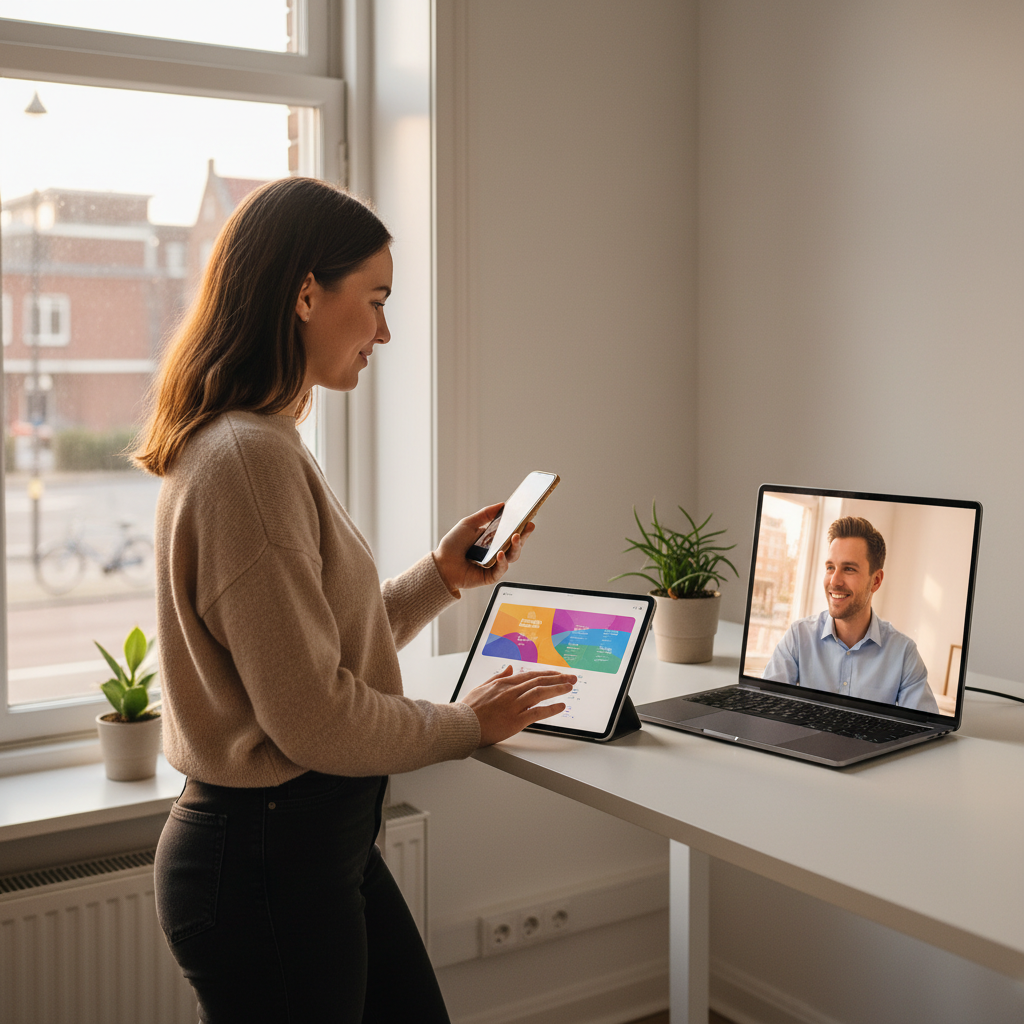
When your first argument happens in broken sentences
The first fight hits different when you can't find the words. Literally.
Frustration compounds when the emotion you need to express gets flattened into a clumsy, Google-approved phrase. You're hurt, and the app gives you something that sounds like a customer complaint. The vulnerability of conflict becomes almost unbearable when nuance disappears entirely.
The accuracy problem is well documented. According to travel translation research, even straightforward professional phrases get mangled. An English-speaking lawyer asking for "I am a lawyer" in French can receive confusing mistranslations. Now picture trying to communicate "I felt dismissed when you said that" or "I need you to understand why this matters to me."
Couples who survive these moments develop their own strategies. We're seeing patterns emerge: partners speak in simple, clear sentences. They avoid idioms and slang. They double-check translations using multiple apps or ask native speakers for verification. The spontaneity of argument gives way to something more deliberate, more careful.
And here's what's unexpected. Some couples find connection in the imperfection itself.
They learn each other's common errors. They recognize when "I'm not angry" probably means "I'm disappointed" because of how it typically mistranslates. These shared glitches become a private language, a form of intimacy born from working around the machine together. The algorithm fails, and somehow the relationship grows.
The psychological cost of always needing a middleman
Convenience has a price. Every message filtered through an app is a moment of genuine linguistic struggle avoided. And that struggle matters more than couples realize.
When translation becomes a third presence in the relationship, slower and more intentional communication can sometimes help. That idea is explored in AI translation in relationships.
Experts are clear on this point: translation tools work best as supplements, not substitutes. Learning even basic phrases in a partner's language signals respect, commitment, and genuine investment in the relationship. The couple who memorizes "goodnight" in each other's native tongue builds something the algorithm cannot replicate.
The paradox runs deep. Instant translation removes the friction that actually creates intimacy. Stumbling through verb conjugations together, laughing at mispronunciations, celebrating small victories when a sentence finally lands correctly. These moments disappear when an app handles everything.
Long-distance relationships face compounding pressures. Time zones already fragment conversations. Physical meetings happen rarely due to cost and logistics. Apps for long-distance couples address communication barriers, but they also risk becoming emotional crutches. The surface understanding flows easily. The deeper cultural integration stalls.
We're seeing a pattern. Couples who rely exclusively on translation apps often plateau. They understand words but miss context. They read messages but don't absorb the cultural weight behind expressions. One partner remains permanently outside the other's world, peering through a digital window rather than walking through the door.
The machine provides access. Learning the language provides belonging.
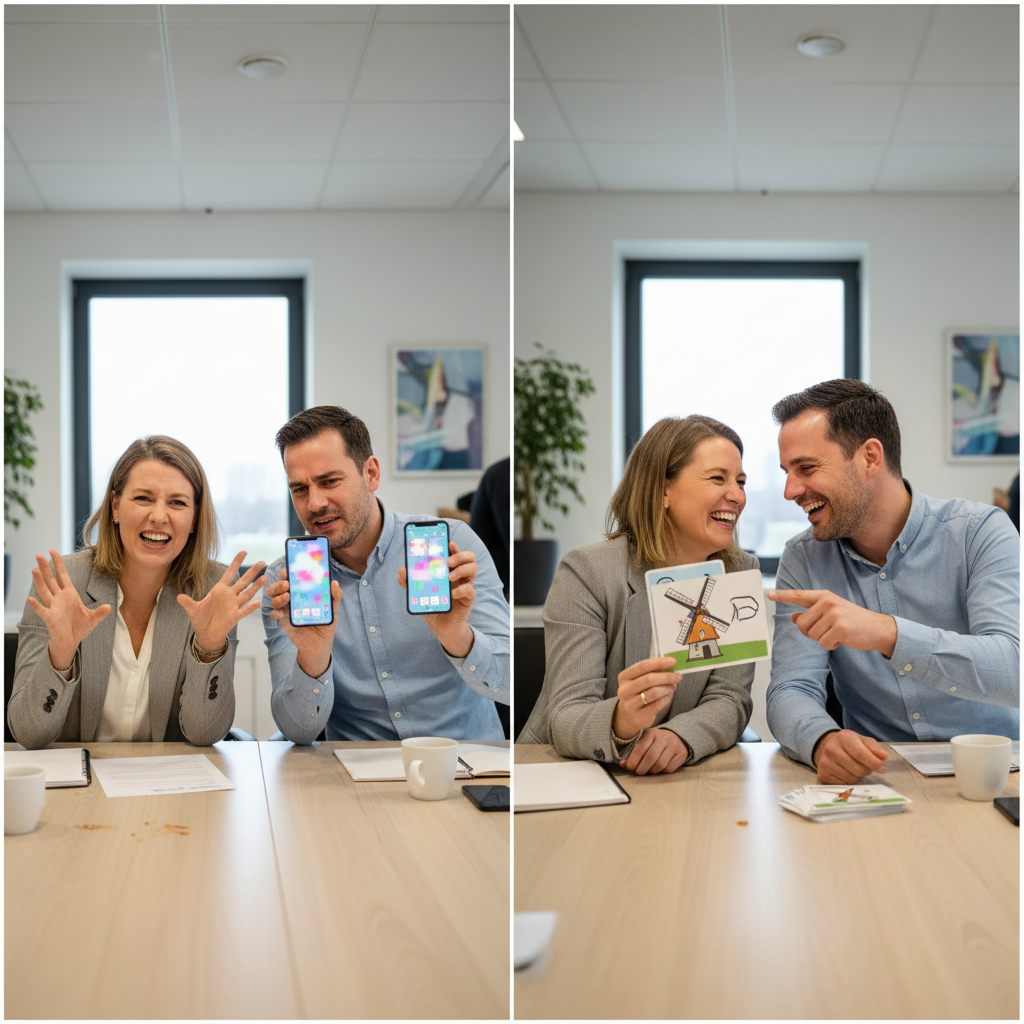
Creative workarounds: How couples build their own language
The most resilient couples aren't choosing between apps and effort. They're combining both.
HelloTalk represents a fascinating middle ground. The platform pairs language learners with native speakers who correct each other's messages and build genuine connections. Translation assistance meets real human interaction. We're seeing couples who met through these hybrid platforms develop stronger linguistic foundations than those relying purely on machine translation.
Strategic app-stacking has become common practice. Google Translate handles quick texts. Specialized tools manage voice calls. Real-time phone call translation preserves something text cannot: tone. The warmth in a voice, the hesitation before vulnerable words, the laugh that softens a tense moment. These emotional signals survive when the medium stays human.
Then there's the language couples invent together.
Every long-term multilingual relationship develops what we call "relationship vocabulary." It includes borrowed words from each partner's native tongue that just sound better. Mistranslations that stuck because they were funnier than the original. Invented terms for feelings that neither language captures properly. One couple we encountered uses a mangled Spanish-English hybrid for "I'm annoyed but I'll get over it." The algorithm got it wrong. They kept it.
The pattern among successful couples is clear. Technology serves as one tool among many. The couples who thrive treat apps as scaffolding, not the structure itself. They use digital help to get started, then gradually build something the machine could never provide on its own.
The turning point: When couples move beyond apps
Something shifts when a partner decides to actually learn the language. It's not about fluency. It's about commitment made visible.
The same turning point appears in family calls, where people stop optimizing for free tools and start optimizing for less friction. See free translation apps in family calls.
-
The decision to learn signals investment beyond convenience. Couples who reach this milestone describe it as a relationship turning point, the moment when "getting by" transforms into "building together." The vulnerability of being a beginner, of making embarrassing mistakes in front of someone you love, creates a different kind of intimacy than any app can provide.
-
Mistakes become shared comedy rather than frustration. Mispronouncing words at dinner, botching a toast in front of family, mixing up verbs in ways that accidentally say something ridiculous. These moments stick. They become relationship stories, retold for years.
-
The circle expands beyond the couple. Microsoft Translator's group conversation feature allows real-time translation with multiple participants simultaneously. Family dinners across languages become possible. The partner who once felt like an outsider at holiday gatherings suddenly participates. Connection scales.
-
Apps shift from crutch to training wheel. The couples who thrive use combining translation tools with language learning as a strategy. Technology handles the gaps while human effort closes them gradually. The dependency decreases as competence grows.
The pattern is consistent. Struggling together builds something that effortless convenience never could.
Bridgecall helps multilingual couples hear each other's real voices with real-time call translation. Start your free trial and turn language barriers into bridges.
Related Bridgecall Guides
How to Translate a Phone Call Without an App
Use one browser link for a voice-only translated call with no guest installation.
Video Call Translation
Start browser-based translated video calls with voice and subtitles.
Phone Call Translator
Start voice-first multilingual conversations without app installation.
AI Translation: Why Slow Communication Builds Bonds
The friction of translation-mediated relationships is creating surprising intimacy benefits.
Translation Earbuds vs Phone Apps: The Dependency Issue
Translation earbuds promise seamless communication, but most require a connected phone to function.
Translation Apps for Family Video Calls That Connect
When you're trying to hear your grandmother laugh or comfort a crying parent, '700ms latency' means nothing.
Ready to start multilingual calls?
Create a Bridgecall room in minutes and let everyone speak in their own language.
Get started