Real-Time Phone Translation: AI in Telehealth
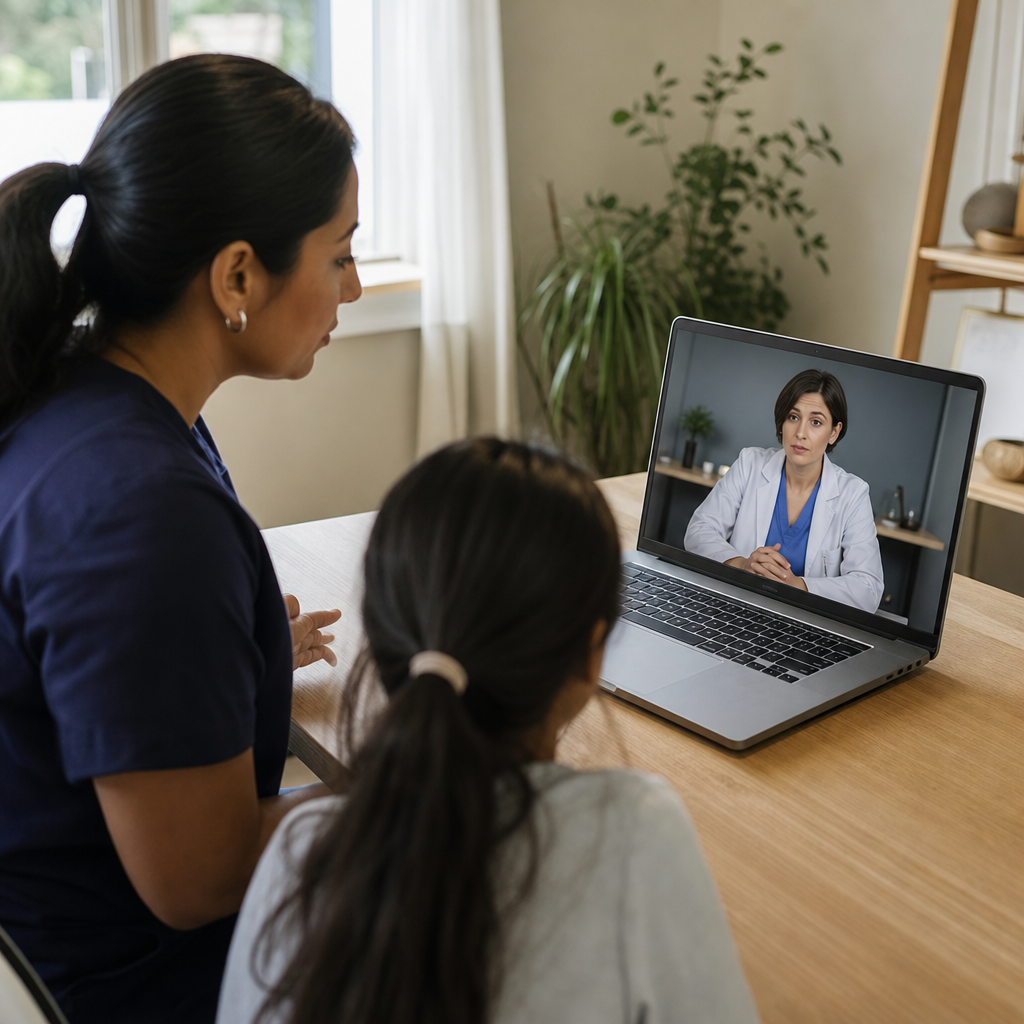
Not every telehealth call needs a professional interpreter. Learn which conversations suit AI translation and when medical accuracy requires a
A Spanish-speaking patient calls a telehealth clinic. The nurse speaks only English. Both reach for their phones, assuming Google Translate will handle the call. It won't. The reality is that most popular translation tools, including Google Translate, DeepL, and ChatGPT, work for text and in-person conversations, but they cannot translate an actual phone call between two separate devices. This gap between expectation and reality creates real problems in healthcare settings, where clear communication is not optional.
The telehealth translation gap most providers ignore
Telehealth staff handle dozens of multilingual calls every day. Some are simple appointment reminders. Others involve explaining a diagnosis or walking through treatment options. The communication needs vary wildly, but the available solutions often do not.
- Professional interpreters deliver accuracy, but sessions cost hundreds of dollars and availability can be limited, especially for less common language pairs or after-hours calls.
- Generic translation apps like Google Translate, DeepL, and ChatGPT cannot actually translate a live phone call between two separate devices. They work for text or in-person conversations where both people share a screen, not for standard telehealth calls.
- Built-in phone translation features exist on Samsung Galaxy, Google Pixel, and T-Mobile devices, but they require the patient to own that specific hardware or carrier. Most do not.
- The result is a patchwork approach: staff improvise, patients struggle, or calls get delayed until an interpreter becomes available.
The solution is not picking one tool and hoping it covers everything. Different conversation types call for different approaches. A quick scheduling call has different stakes than a post-surgery follow-up. Recognizing this distinction is where most providers fall short.
What works is a simple decision framework staff can apply before each call. Match the tool to the conversation type, and the gap starts to close.

Administrative calls: Where AI translation saves time and money
Not every telehealth call requires a certified medical interpreter. A significant portion of multilingual calls fall into a predictable category: routine administrative tasks where the stakes are lower and the vocabulary is limited.
- The category includes: appointment scheduling, prescription refill requests, insurance verification, follow-up reminders, and basic check-ins. These conversations follow familiar scripts and rarely involve clinical nuance.
- Why AI works here: The vocabulary is predictable, minor errors are easy to catch, and the natural back-and-forth of scheduling creates built-in confirmation loops. "Tuesday at 3pm?" gets repeated and confirmed by both parties.
- The speed difference is significant: Real-time phone call translation delivers results in under 0.5 seconds across 100+ languages. Human interpreters handle one language pair at a time and cost hundreds of dollars per session.
- A practical example: A Spanish-speaking patient calling to reschedule a routine checkup does not need the same resources as someone discussing a new diagnosis. The conversation is transactional, and AI handles it well.
- Volume matters: Telehealth clinics field dozens of these calls daily. Reserving professional interpreters for high-stakes conversations while routing administrative calls through AI translation makes financial and operational sense.
The pattern emerging across successful telehealth operations is clear: match the tool to the task. High-volume, low-complexity calls are where AI translation delivers the most value.
Clinical conversations: When a qualified interpreter is required
Some conversations cannot afford a single error. Diagnosis discussions, informed consent, treatment decisions, mental health sessions, and end-of-life conversations fall into this category. The stakes are simply too high for AI translation.
Professional remote interpreting services exist specifically for these moments. Healthcare organizations, legal teams, and businesses rely on video remote interpreting (VRI) or over-the-phone interpreting (OPI) when accuracy is non-negotiable. The distinction matters.
Video interpreting has become the preferred option in healthcare settings. The reason is straightforward: interpreters can see facial expressions, gestures, body language, and visual context that shape medical consultations. A patient grimacing while describing pain levels tells a different story than words alone. A hesitant nod during consent discussions signals uncertainty that needs addressing.
The consequences of getting it wrong are concrete. A mistranslated medication dosage. A misunderstood symptom description that delays diagnosis. A patient who signs consent forms without truly understanding the risks involved. These are not hypothetical scenarios.
Industry sources are clear on this point: professional interpreters are required for clinical accuracy. AI translation tools, no matter how fast or convenient, cannot replace the judgment and contextual awareness a qualified medical interpreter brings to complex conversations.
The pattern for telehealth operations becomes clear. Administrative calls benefit from AI speed and cost savings. Clinical calls require human expertise. Knowing which is which determines whether communication helps or harms.

Built-in phone translation: Why it does not solve the telehealth problem
Some smartphone manufacturers have noticed the translation gap and built solutions directly into their devices. Samsung Galaxy phones offer Live Translate for calls. Google Pixel has its own call translation feature. T-Mobile runs a Live Translation beta for its subscribers. These are real options that work reasonably well for personal use.
The problem is obvious once you think about it from a provider's perspective. A telehealth clinic cannot control what phone a patient owns or which carrier they use. The Spanish-speaking patient calling about test results might have an older iPhone, a budget Android device, or a basic flip phone. None of these support built-in call translation.
Accuracy is another concern. Samsung's own support documentation for Live Translate on Galaxy phones includes a clear warning: if the selected language does not match what is being spoken, conversations may be mistranslated. The feature also works best when only one person uses it at a time. In a telehealth scenario, that is a significant limitation.
Device-based translation puts the burden entirely on patients. Some will have compatible phones. Most will not. The coverage is unpredictable, and the stakes in healthcare are too high for unpredictable.
Telehealth practices serving diverse populations need solutions they control. Relying on patient hardware is not that solution.
A simple decision workflow for patient-facing staff
The difference between a smooth multilingual call and a communication failure often comes down to one moment: the few seconds before staff pick up the phone. A simple three-question framework helps staff make the right choice quickly.
Question one: Is this call administrative or clinical? Scheduling, refills, and insurance verification fall into the first category. Diagnosis discussions, treatment decisions, and mental health conversations fall into the second.
Question two: Could translation errors affect health outcomes? A wrong appointment time is fixable. A misunderstood medication instruction is not.
Question three: Does this call involve informed consent or a diagnosis? If yes, a qualified interpreter is the only appropriate choice.
The answers map directly to tools. Purely administrative calls route through AI voice translation for speed and efficiency. Clinical calls go to professional interpreters. The logic is straightforward.
The gray zone is where things get tricky. A follow-up call about an appointment can shift quickly when a patient mentions new symptoms or unexpected side effects. Staff who recognize this shift need a clear protocol to pause and escalate to an interpreter. The best telehealth teams build this handoff into their standard workflow.
Tools alone do not solve this. Training does. Staff need practice recognizing conversation types and confidence making judgment calls in real time. Organizations translating calls at scale find that investing in staff decision-making pays off faster than investing in more technology.
Choosing the right tool for your telehealth practice
The pattern is clear across telehealth operations getting multilingual communication right: they match tools to conversation types rather than forcing one solution to cover everything.
AI call translation handles the volume. Appointment scheduling, refill requests, insurance questions. These calls follow predictable scripts, happen dozens of times daily, and benefit from speed. Voice translation technology delivers results in under half a second, making it practical for high-volume administrative work.
Professional interpreters handle the stakes. Diagnosis discussions, treatment decisions, informed consent. These conversations require contextual judgment that AI cannot provide. The cost is higher, but the consequences of errors are higher still.
Using interpreters for every call is unsustainable. Using AI for every call is irresponsible. The answer lies in knowing which calls fall where.
Most telehealth practices find their call mix skews heavily toward administrative tasks. That ratio determines how much value AI translation actually delivers. A clinic where 70% of multilingual calls involve scheduling sees different cost savings than one where half of all calls are clinical consultations.
The decision framework outlined earlier works because it forces that evaluation before each call, not after something goes wrong. Staff trained to recognize the difference between low-stakes and high-stakes conversations become the real infrastructure for multilingual care.
One tool is not the answer. A strategy that deploys the right tool at the right moment is.
See how Bridgecall handles real-time call translation for your administrative telehealth conversations.
Related Bridgecall Guides
How to Translate a Phone Call Without an App
Use one browser link for a voice-only translated call with no guest installation.
Video Call Translation
Start browser-based translated video calls with voice and subtitles.
Phone Call Translator
Start voice-first multilingual conversations without app installation.
Video Call Translator for Community Events
Running a community webinar with 3-5 languages? Free tools fall short and enterprise platforms cost too much.
Zoom Live Translation Captions for Research Teams
General translation tools fail on specialized research terminology. Learn which workflows actually work for multilingual academic team meetings.
Phone Call Translator Apps for Europe Travel 2026
Planning Europe travel in 2026? Learn which phone call translator options actually work across carriers, roaming scenarios, and low-connectivity
Ready to start multilingual calls?
Create a Bridgecall room in minutes and let everyone speak in their own language.
Get started